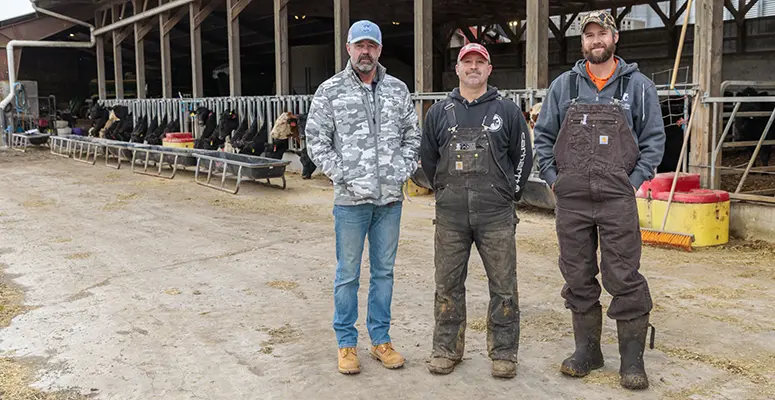

by Linda l. Esterson, photography by Nikola Tzenov
For years, Kurt Wedekind and his children battled Lyme disease. They traveled all over the country — as far west as Nevada — to consult medical specialists. The professionals all shared the same advice: Clean up their diet. Medical professionals told them to drink clean water and eat meat from grass-fed, organically raised animals. So that’s what they did.
In 2019, Wedekind, a lifelong construction company executive, bought a farm in Westminster and set out to raise his own cattle to feed his family.
“That was the sole reason” for his purchase, he says. Wedekind started with Scottish Highland cattle until his oldest son, a studio art major, told him about premium Wagyu cattle and Mangalica hogs. Coincidentally, Wedekind’s older brother, also an artsy type, owns a 100-acre farm in South Carolina and was interested in Wagyu cattle.
A Flavorful Option
Wagyu is a Japanese breed derived from Asian cattle, according to the American Wagyu Association, a Texas-incorporated group founded in 1990 to register cattle and promote the breed nationwide.
Named “Wa,” meaning Japanese, and “Gyu,” meaning cow, Wagyu were originally draft animals used in agriculture and selected for their physical endurance and intramuscular fat cells that are “marbled.” Modern Wagyu cattle resulted from the crossbreeding of several imported British, European and Asian breeds during the 1860s. They were first imported into the United States during the 1970s.
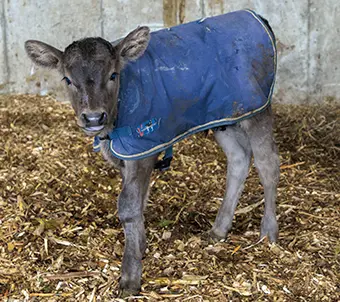 Wagyu is considered one of the healthiest beef options. It provides high levels of oleic acid (omega-9), similar to the heart-healthy fat found in olive oil, promoting heart health, according to the World Wagyu Council. A variety of research studies have shown that oleic acid lowers bad (LDL) cholesterol and raises good (HDL) cholesterol, reducing the risk of cardiovascular disease.
Marbling is widely known to produce beef that is more tender and flavorful. “It’s very rich, and with the tenderness of it, it’s like you’re not eating beef at all. The texture is different; the richness is different. It’s a totally different experience,” Wedekind explains.
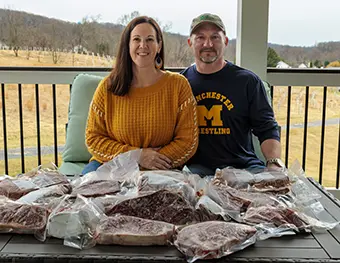
“I feel like it’s a more robust flavor just because of the marbling content,” says Jeremy Hale, who purchases Wagyu beef directly from Dell Brothers Inc. in Westminster, another county farm raising the cattle. “It just renders cleaner.”

Hale, who lives in Manchester and first tried Wagyu years ago at Gordon Ramsay’s restaurant in Atlantic City, New Jersey, buys the meat in quarters, which yields a variety of cuts, including sirloin, flank, top round, brisket, ground beef, and hamburger patties.
Cooking Wagyu is also different, according to Doug Dell, a fourth-generation family member on the Westminster farm, which raises a variety of cattle and produces grains. The meat cooks faster and at a lower temperature, Dell says. It’s ready to eat at 100 degrees as compared to 125 degrees for regular beef, he says.
Bringing Wagyu to Carroll County
Historically, while the rest of the world focused on raising cattle for quick slaughter, according to Dell, the Japanese were more concerned with quality and were unfazed by the longer time it takes to raise Wagyu cattle. Typically, Dell can get an Angus or Hereford cow ready for slaughter in 18 months, while the Wagyu takes 28 to 36 months to mature for slaughter, Dell says.
“I feel like it’s a more robust flavor just because of the marbling content. It just renders cleaner.” – Jeremy Hale with his wife, Danielle
More than five years ago, a customer of Dell’s asked him about Wagyu, and he did some research. Instead of spending $5,000 to $20,000 each on Wagyu cattle, Dell decided to purchase embryos to implant in his female beef cattle and raise his own herd.
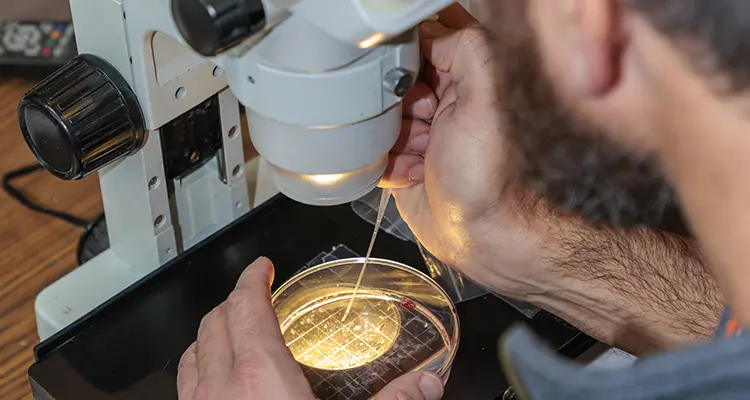
The embryos range between $500 to $1,000 apiece, Dell says. Around the time of Dell’s first calves’ birth, Wedekind purchased a heifer, and Tyler Bray, second-generation veterinarian and owner of Taylorsville Veterinary Center, which cares for animals at both farms, cultivated her eggs.
Through Bray, Dell and Wedekind connected. Together, they evaluated the genetic values for marbling and size of Wagyu bulls from all over the world and purchased frozen semen to use to impregnate their heifers.
Through in vitro fertilization (IVF), the embryos were implanted in recipient cattle at both farms. The process was smoother, faster and more cost-effective than letting Mother Nature take its course with a steer and a heifer.
“We came up with a plan to be the best in the Wagyu world,” Bray says.
The effort yielded four heifers and one steer at the Dell farm, where the team repeated the process until there were full-blooded Wagyu cattle. The steers are slaughtered, while the heifers remain to continue breeding. Today, Dell’s Wagyu herd is 20 strong, complementing the 115 other cattle on his farm. Wedekind is currently raising about 70 Wagyu.
Going a Step Further
Today, farmers and veterinarians collaborate to help each other and expand their businesses to bring Wagyu to other farms across the country.
DNA from their newborn calves is evaluated to determine gene sequences that yield a high “marble score,” a grading system that measures the amount of fat compared to meat, as well as scores for weight, gestation length and other traits. The “breeder feeder index” indicates a market value, as embryos from the heifers with the highest scores are harvested and sold, as they would likely ensure the highest quality result.
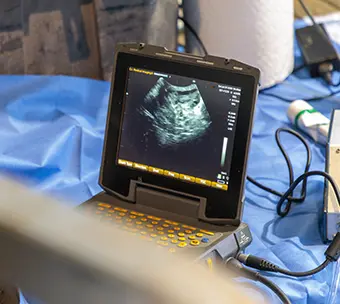
“You’re looking for a high [rated] female, and then you find semen from a really high [rated] bull, and you combine those through IVF or conventional flushing to make an embryo that you think is going to predict to be a really quality animal,” Bray explains.
Dell is also working to genetically improve milk production by running DNA predictability tests to determine which heifers excel in milk production, thus indicating which embryos to use.
“People are chasing numbers … they want the cow that makes the most milk, so they want to try and make embryos that are going to make heifer calves that make the most milk,” explains Bray, who also owns a heifer that is housed at Dell’s farm.
“It’s also in the show world. There are a lot of small beef farmers in our area that like to show beef cows, and they’ll find some bull that has all his calves winning the shows out West. And then they want to take that bull and use it on their cows and make embryos and try to make calves that would compete.
“I really enjoy the embryo [work] and the genomics, and just trying to make elite animals.”
In addition, the farmers, along with Wedekind’s brother in South Carolina and another farmer in southern Pennsylvania, bought a bull from Texas. They are selling semen all over the country. According to Dell, the semen can bring between $50 to $250 a unit.
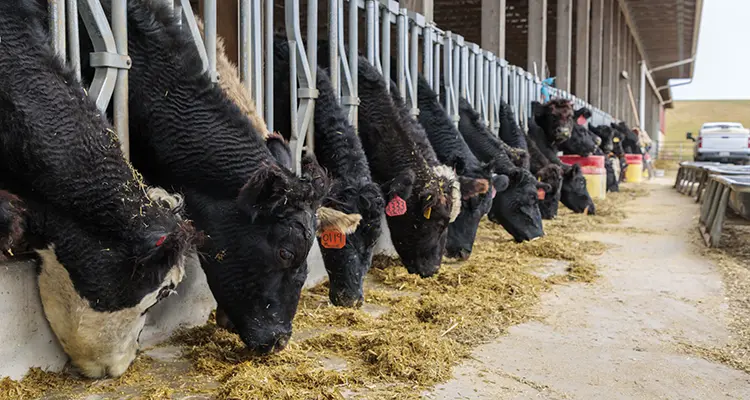 “Our little group in Carroll County is doing a niche thing,” says Wedekind, who is thankful for the way the others have welcomed him into the farming world. “There’s a genuine willingness to help each other. It’s what we’re supposed to do. The Dells have been doing it for generations.”
While much has gone into bringing Wagyu to Carroll, the effort isn’t lost on the avid Wagyu customer. The premium beef is worth the wait and the expense; the meat averages around three times the price of traditional beef.
“Once you try something that you like, it’s hard to steer away from it,” Hale says.