edited by Shannon Rogers
County Commissioners Challenge High-Voltage Route Through Agricultural and Residential Lands
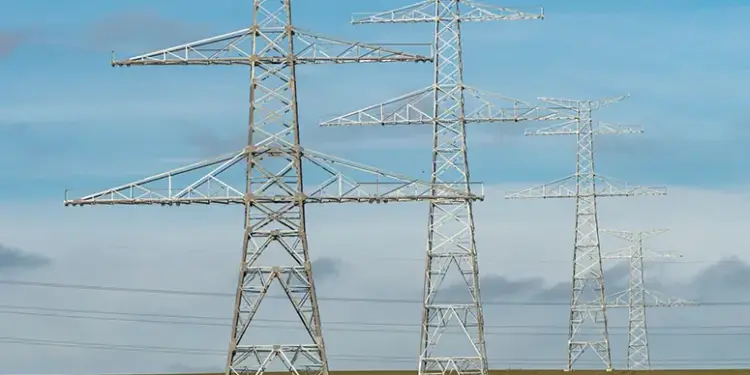
Carroll County officials and local property owners are continuing to intensify their unified opposition against the proposed Maryland Piedmont Reliability Project, a major 500-kilovolt transmission corridor slated to span approximately 70 miles across Baltimore, Carroll, and Frederick counties. The high-voltage project, awarded by regional grid operator PJM Interconnection to Public Service Enterprise Group (PSEG), has drawn widespread concern from agricultural preservationists, local municipal boards, and hundreds of families whose farms and homesteads lie directly along the projected pathway.

According to official filings from the Carroll County Board of Commissioners, county leadership has repeatedly asserted that the proposed overhead corridor fails to respect local zoning authority, agricultural preservation easements, and fundamental private property protections. The Board of Commissioners has formally intervened in ongoing regulatory reviews, filing legal motions and amicus briefs to prevent unencumbered access to county-preserved lands and to protect property owners facing the prospect of eminent domain proceedings.
Regulatory Scrutiny Before the Public Service Commission
The state approval process centers on the Certificate of Public Convenience and Necessity (CPCN) application under evaluation by the Maryland Public Service Commission (PSC Case No. 9773). State regulators have established public comment schedules and formal procedural timelines to evaluate the grid reliability justification, environmental impact, and engineering viability of the proposed transmission lines.
In municipal proceedings and community forums across Westminster, Mount Airy, and Sykesville, community advocates have argued that constructing massive 140-foot transmission towers across prime agricultural soils and contiguous forest buffers creates irreversible damage to the region’s rural economy. Community coalitions, including grassroots organization Stop MPRP, Inc., have organized legal defense funds and community meetings to ensure landowners receive comprehensive guidance regarding property surveys, environmental assessments, and utility negotiations.
Coalition Calls for Existing Infrastructure Prioritization
Regional lawmakers and municipal leaders have expanded their coordination across county borders, urging state and federal utility regulators to examine alternative grid management strategies. As reported by 930 WFMD News, state legislative delegations across central and western Maryland have petitioned transportation and energy authorities to mandate the utilization of existing highway corridors, railway rights-of-way, and established utility paths before condemning new swaths of private and agricultural land.
Local leaders emphasize that while regional electricity reliability remains an important objective, it should not come at the expense of established conservation easements funded through decades of taxpayer investments. Carroll County has preserved more than 75,000 acres of working farmland, making it one of the leading agricultural preservation jurisdictions in Maryland and the United States.
Next Steps and Community Participation
The Maryland Public Service Commission is continuing to collect official evidentiary submissions and public commentary as procedural hearings advance. Carroll County residents and affected landowners are encouraged to review official hearing documents and submit feedback directly through the PSC’s public portal under Case No. 9773, as well as monitor upcoming Carroll County Board of Commissioners work sessions for legal and administrative updates.