edited by Nikola Tzenov
Maryland farmers affected by a devastating late-April freeze will have access to federal emergency assistance after the U.S. Department of Agriculture approved a Secretarial Disaster Declaration for the state, Gov. Wes Moore announced.

The designation, issued by USDA Secretary Brooke Rollins, follows a request submitted by Moore on May 27 after freezing temperatures caused widespread damage to fruit crops and other agricultural operations across Maryland.
“Maryland’s farmers are the backbone of our state’s economy, our heritage and our food security,” Moore said in a statement. He thanked federal officials, the Maryland Farm Bureau and the state’s congressional delegation for supporting the request.
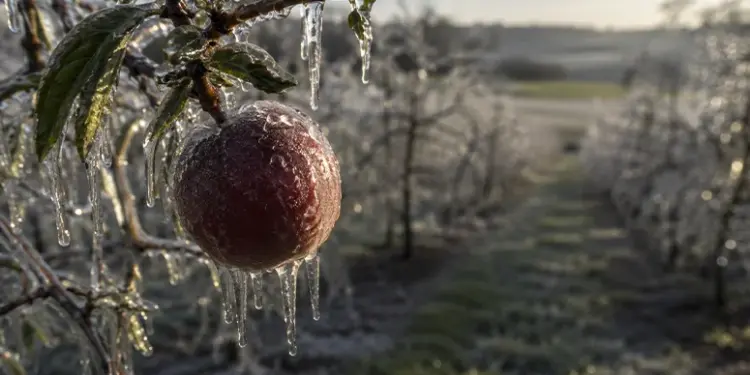
The freeze struck Maryland on April 21, when temperatures dropped into the low 20s following several weeks of unusually warm weather. State officials said perennial crops had already emerged from winter dormancy, leaving blossoms and developing fruit vulnerable to damage.
According to the Maryland Department of Agriculture, crop losses exceeded the 30% threshold required to qualify for a federal disaster declaration. The freeze came as much of Maryland continues to face severe to extreme drought conditions, creating additional challenges for farmers.
State Agriculture Secretary Kevin Atticks said the designation will provide critical support during what is expected to be a lengthy recovery process.
“Our producers are facing millions of dollars in ongoing maintenance costs without the crop income they rely on,” Atticks said.
The declaration makes eligible farmers in 12 Maryland counties, as well as neighboring jurisdictions, eligible for low-interest emergency loans and other assistance through the USDA Farm Service Agency. Officials said the programs are intended to help producers cover operating expenses, protect jobs and refinance certain debts.

Among those affected is Baugher’s Farm, where tree fruit crops suffered extensive damage from the freeze.
“It was our tree fruits that took the freeze hit while they were in blossom,” the farm said in a statement.
Baugher’s reported that peaches, nectarines and plums sustained the most severe losses, while apple crops also suffered significant damage. The farm estimated that about 80% of its cherry crop was destroyed.
Despite the freeze, the farm was able to salvage its strawberry crop through extensive frost-protection efforts.
“The strawberries produced a decent crop because we covered, uncovered, and covered the whole entire 20-acre field three times to save them from frost damage,” the farm said.
Farm officials said they have not yet received information about any disaster grant funding tied to the declaration.
The USDA declaration primarily provides access to low-interest emergency loans and other federal assistance programs for eligible producers. State officials encouraged affected farmers to contact their local Farm Service Agency offices to determine what aid may be available.